
«Solar doesn’t pay back in Russia» is the industry’s most persistent myth. For the Krasnodar region the numbers say otherwise — here they are, without rounding in a convenient direction.
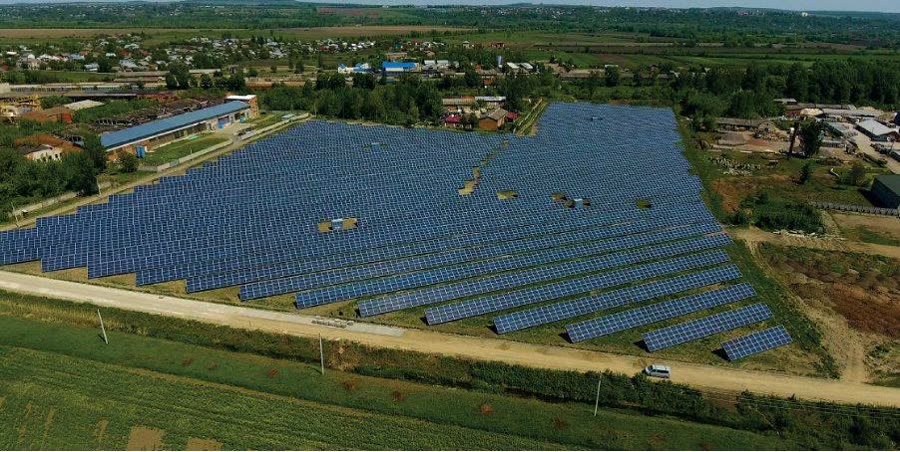
How much sun the region gets
Krasnodar krai is one of Russia’s sunniest regions: over 2,200 sun hours a year (Moscow gets about 1,700). That converts into 1,200–1,300 kWh per year from each kilowatt installed — 20–25% more than central Russia at the same equipment cost.
A home example
- 10 kW system → about 12,500 kWh a year;
- at a household tariff of ~7 ₽/kWh → up to 87,500 ₽ saved per year;
- over 25 years, degradation included — around 2 million ₽.
The real figure depends on how much of the yield you consume yourself; a battery moves daytime surplus to the evening, which is why hybrids are our default recommendation for homes.
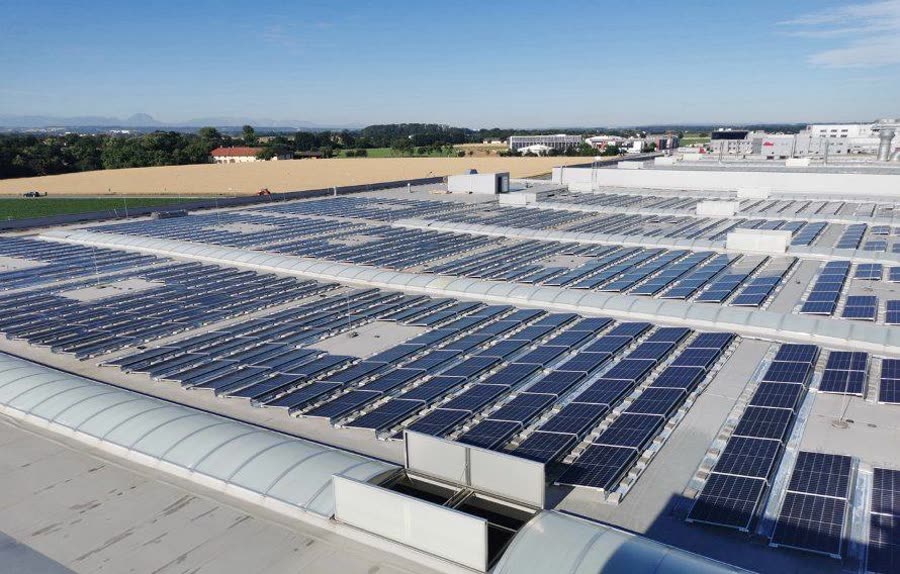
A business example
- Higher tariffs: commercial consumers pay 8–12 ₽/kWh — every solar kilowatt-hour saves more;
- Matching profile: production, retail and farms consume in daylight, exactly when the plant generates. Self-consumption reaches 90–100% with no battery;
- Scale: a large roof cuts the cost per installed kilowatt.
Typical commercial payback in the region: 5–8 years, followed by 15–20 years of profit and a fixed energy price as a hedge against tariff growth.
What moves the result
Roof orientation and tilt, shading, installation quality — and heat: panels lose power as they warm up, so a low temperature coefficient matters in the south. Kosmo Solar TOPCon modules run at −0.28%/°C versus −0.35…−0.40% for mass-market PERC.
Two myths
«Panels don’t work in winter.» December yields about a third of June — every day, not zero. Snow rarely stays on tilted panels here.
«Hail will destroy them.» IEC 61215 certification includes ice-ball impact tests; dual tempered glass carries a 5,400 Pa snow load rating.
Want numbers for your exact project?
Tell us your market and requirements — we reply with a tailored calculation within one business day.