
Every solar system belongs to one of three architectures. The choice defines both your budget and what happens to your lights when the grid fails.
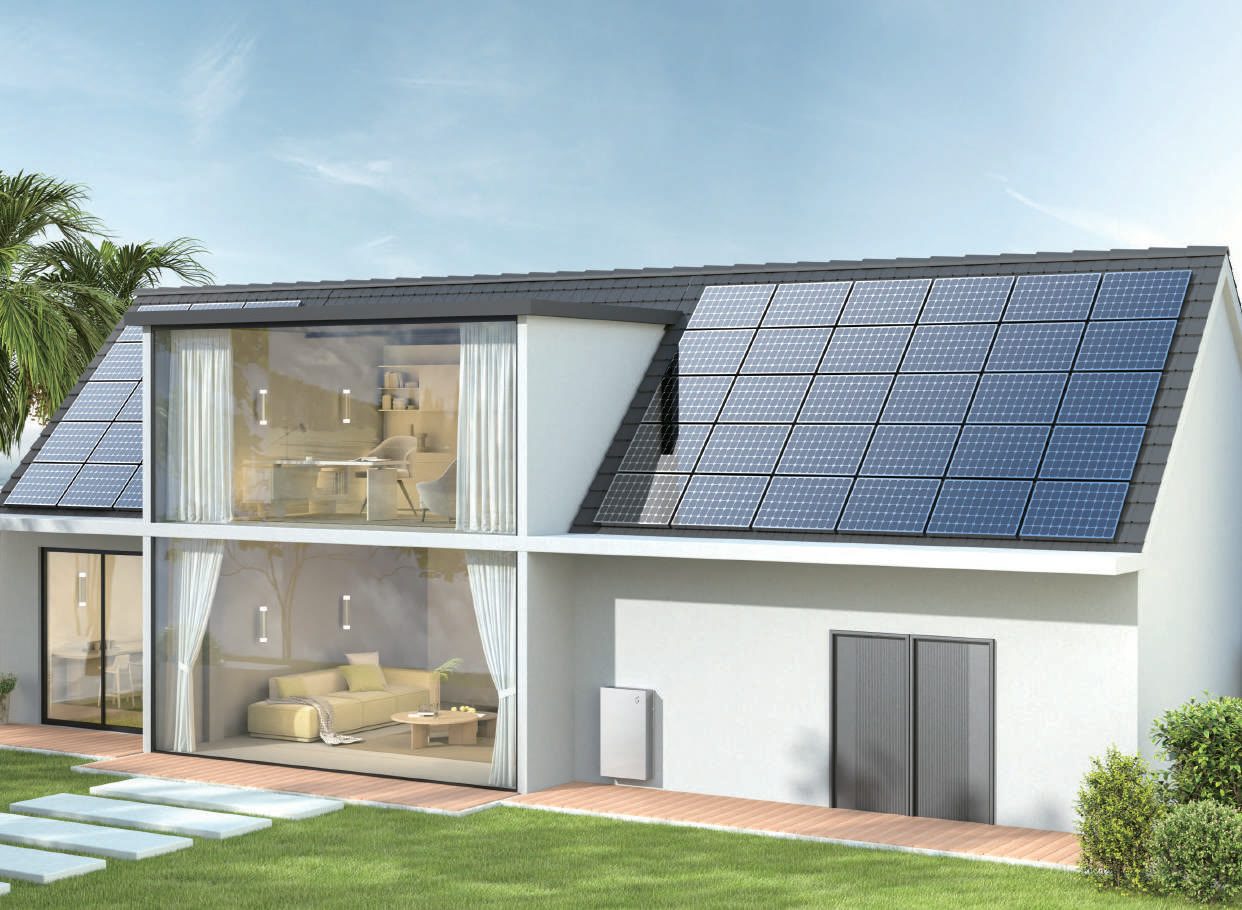
Grid-tied (on-grid)
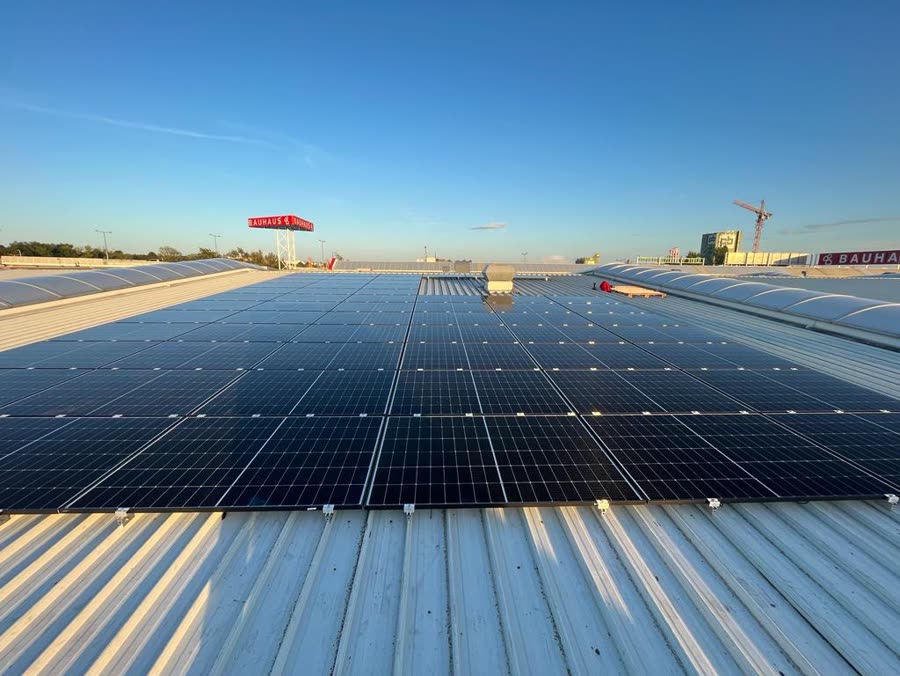
Panels and a grid inverter, no battery. Cheapest per kilowatt and fastest payback — but during an outage the system must shut down too (a safety requirement protecting line workers). Best for businesses with daytime load and a stable grid.
Hybrid
Panels + hybrid inverter + battery. Daytime sun feeds the house and charges the storage; in the evening the house runs on its own energy; during outages the system switches to island mode — the Fox ESS P100 does it in under 4 ms, so appliances never notice. The default choice for homes.
Off-grid
No grid at all: sun, a battery bank sized for 1–3 cloudy days, and usually a backup generator. The most expensive architecture per kilowatt-hour — justified where a grid connection costs more than the plant itself.
Side by side
| Criterion | Grid-tied | Hybrid | Off-grid |
|---|---|---|---|
| Power during outage | no | yes, in 4 ms | always your own |
| Storage | none | 10–30 kWh | 20 kWh+ and a generator |
| Relative cost | baseline | +30–60% | ×2–3 |
| Best for | business, stable grid | family homes | sites without a grid |
How the choice is made in practice
- Grid exists, outages annoy you → hybrid;
- grid exists, outages are rare, savings are the goal → grid-tied (start with a hybrid inverter and add the battery later);
- no grid, or connection is prohibitively expensive → off-grid.
Want numbers for your exact project?
Tell us your market and requirements — we reply with a tailored calculation within one business day.