
A solar system is a 25–30 year purchase, and an early mistake reminds you of itself every month. This guide walks you through six decisions, from your electricity bill to the equipment list.
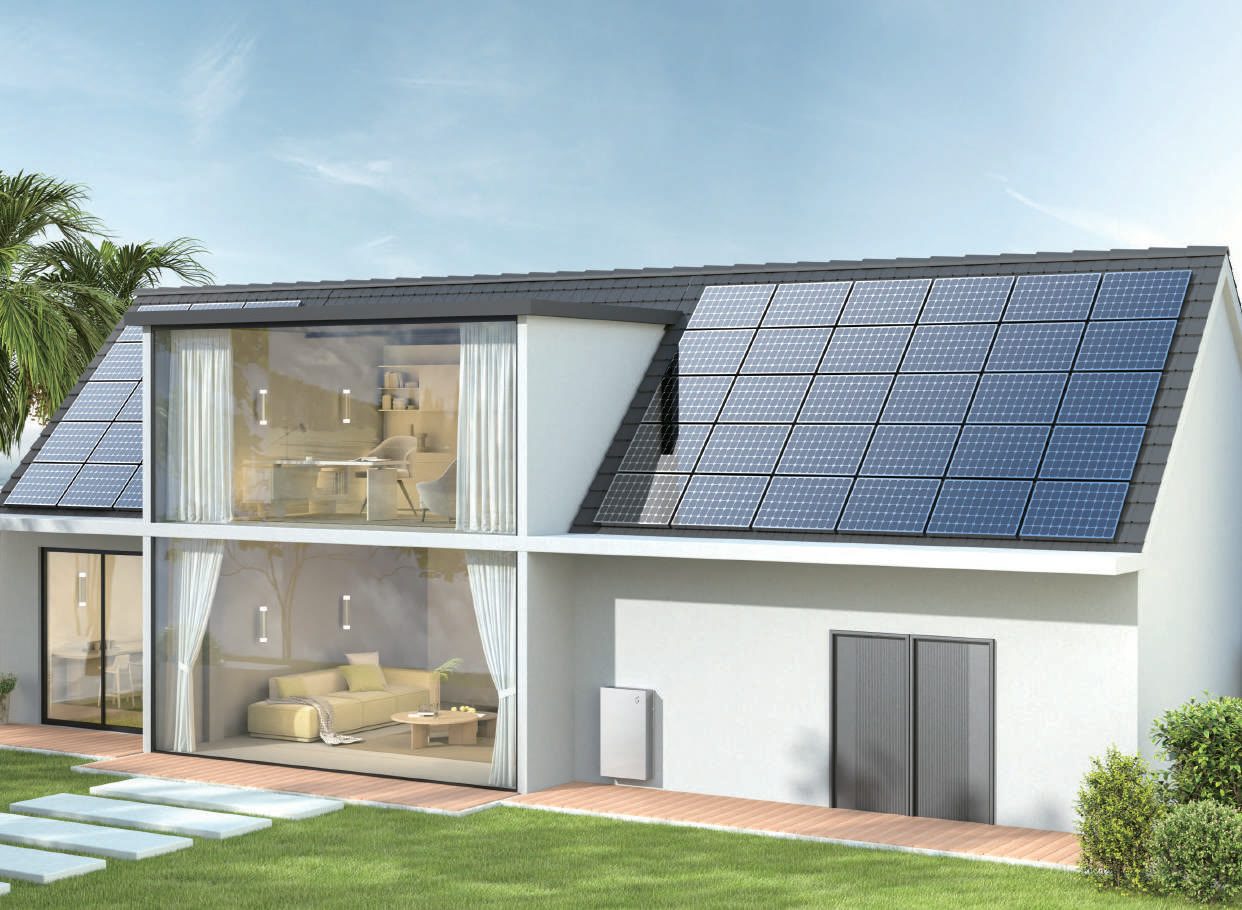
1. Know your consumption
Take twelve monthly figures from your utility bills. A typical family home uses 300–800 kWh a month; homes with electric heating — 1,000 kWh and up in winter. What matters is not only how much, but when: the more daytime consumption, the faster the payback.
2. Pick the system type
Grid-tied saves on bills but shuts down during outages; hybrid adds a battery and keeps the house running; off-grid means full independence where there is no grid. See our solutions overview and the detailed comparison of system types.
3. Size the system
System size (kW) = annual consumption (kWh) ÷ specific yield.
In southern Russia one kilowatt yields about 1,250 kWh a year: a home using 6,000 kWh needs ≈ 5 kW.
Planning an EV, heat pump or pool? Add 20–30% headroom — panels are easy to add later, but the inverter input should be sized once.
4. Check the roof
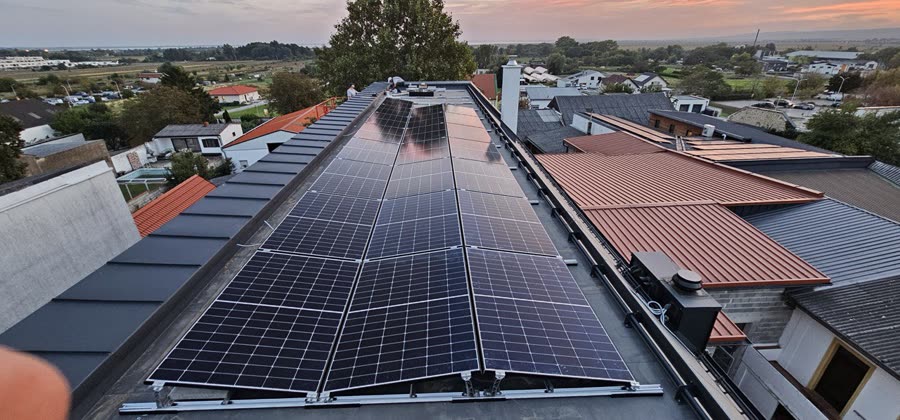
- Orientation: south is ideal; south-east/south-west costs only 5–8%.
- Tilt: 30–35° is optimal; most pitched roofs work as they are.
- Area: a modern 430–650 W panel takes 2–2.7 m²; a 5 kW array needs roughly 20–25 m².
- Shading: a chimney or tree over the array at midday calls for a new layout — even light shade cuts a string’s output badly.
5. Decide on storage
A battery gives you backup and lets you use daytime energy in the evening. Size it from your evening consumption — usually 3–6 kWh. A 10 kWh unit like the Fox ESS P100 covers 7–9 hours of autonomy.
6. Don’t save on the inverter or installation
The inverter works under load 24/7 for decades: look for ≥97% efficiency, enough MPPT trackers for your roof faces, AFCI and insulation monitoring, and a real local warranty. Installation must respect wind loads and keep the roof watertight.
Classic mistakes
- Buying an online «kit» with no site calculation;
- second-hand panels without documents — the 30-year warranty dies with them;
- ignoring future consumption growth;
- saving on design: a wrong string layout costs 10–15% of yield forever.
Want numbers for your exact project?
Tell us your market and requirements — we reply with a tailored calculation within one business day.