
Spoiler: in 2026 this debate is effectively closed — the market chose monocrystalline. But the difference is still worth understanding when someone offers you «bargain» poly panels from old stock.
The difference
- Monocrystalline — cells cut from a single silicon crystal: uniform dark surface, 20–24% efficiency, lower degradation;
- polycrystalline — cast from a melt of many crystals: bluish mosaic, 15–17% efficiency, last decade’s technology.
The old price gap has vanished, while the 20–30% output gap per square metre remains — buying poly today means paying for it in roof space and racking for 25 years.
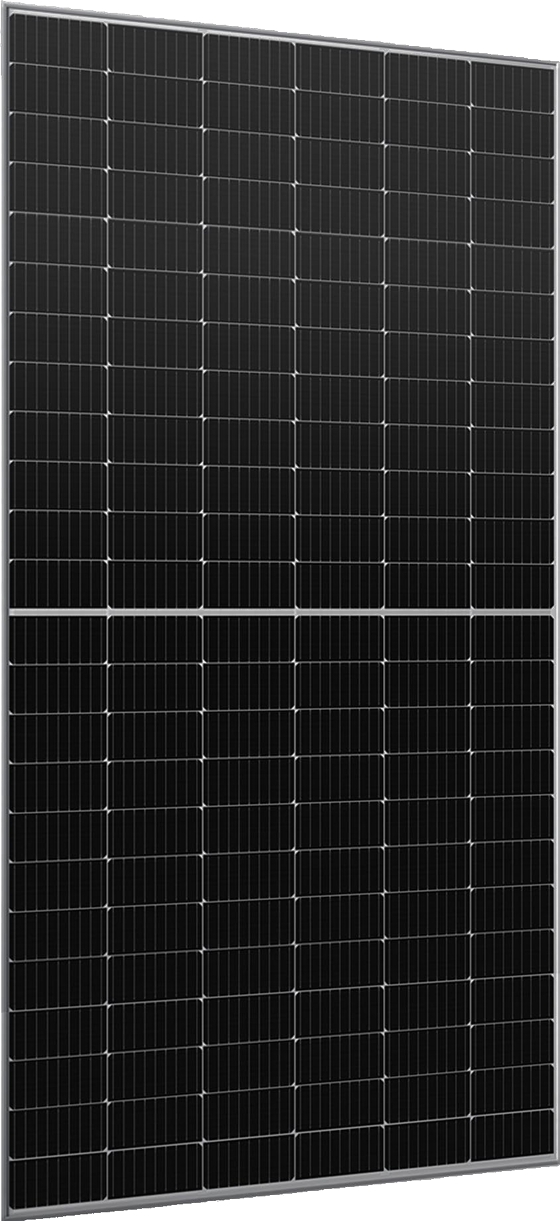
TOPCon: the next step inside mono
Within monocrystalline there are generations. The mass standard of recent years is PERC; the current technology is TOPCon N-type, whose tunnel-oxide layer cuts recombination losses. In practice:
- efficiency up to 24.05% versus 21–22% for PERC;
- degradation ~0.4%/year versus 0.55%;
- temperature coefficient −0.28%/°C versus −0.35…−0.40% — vital in southern heat;
- better low-light response — more winter yield.
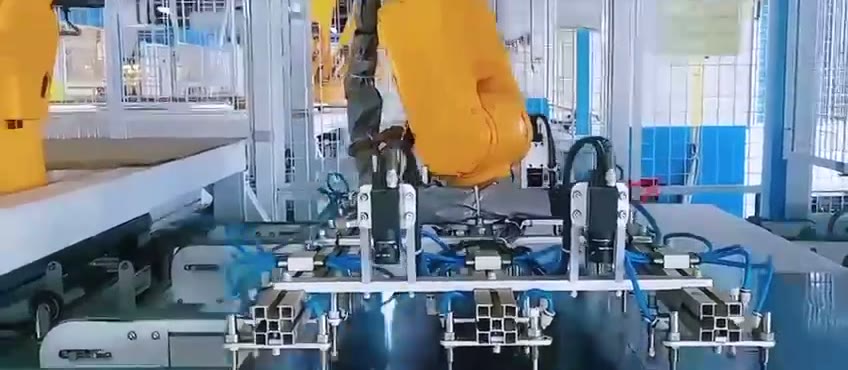
Bottom line: choose not «mono or poly» but the generation of mono. Every panel in our catalog is TOPCon N-type with a 30-year power warranty.
Want numbers for your exact project?
Tell us your market and requirements — we reply with a tailored calculation within one business day.